Source Donut Glazing Machine for Bakeries, Cafes, and Factories
Compare 30 donut glazing machines from verified Chinese suppliers. Buyers can evaluate specifications like production capacity, material, and operation type for commercial bakeries, cafes, and food factories.
Key considerations
Products List
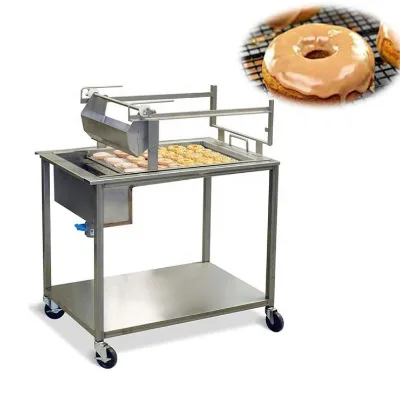
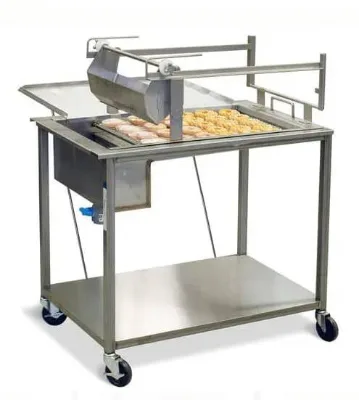
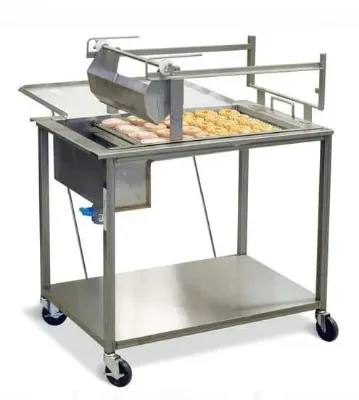
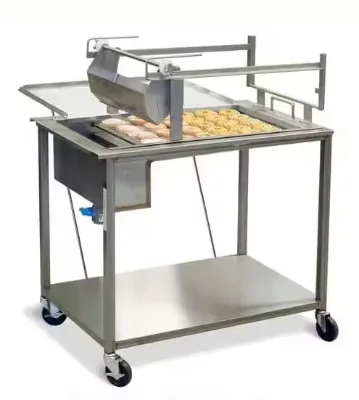
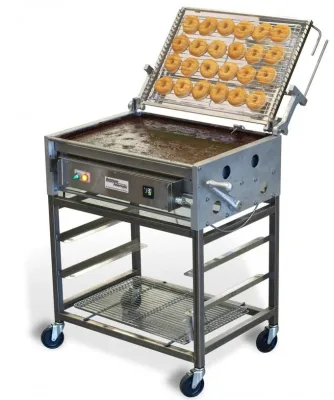
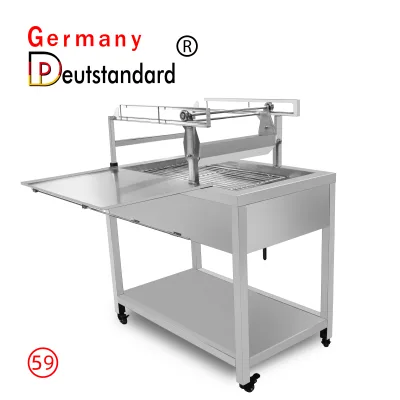
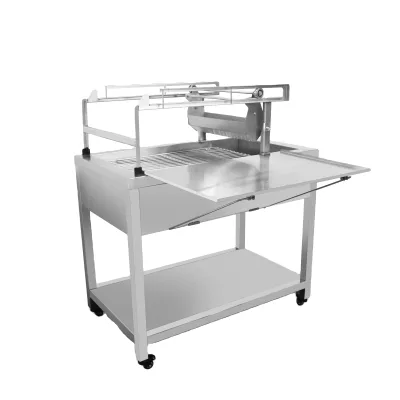
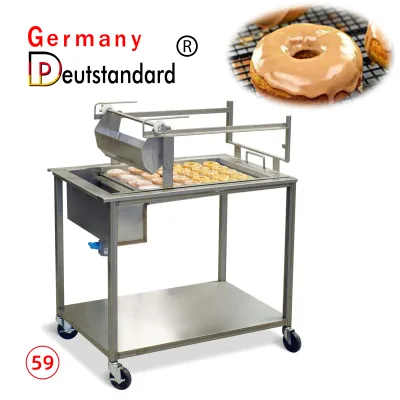
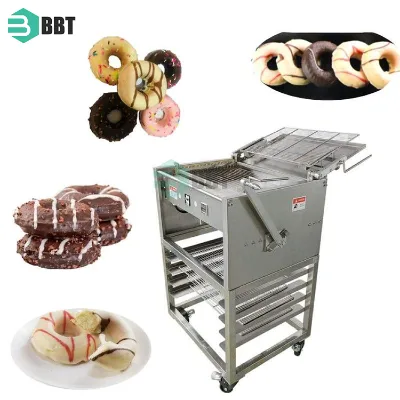
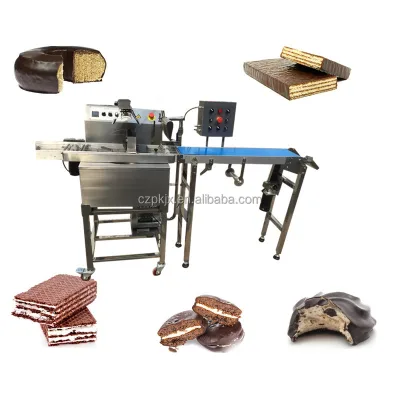
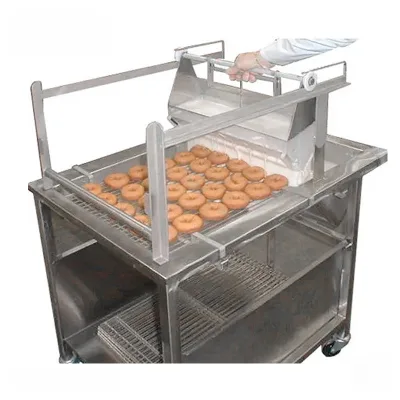
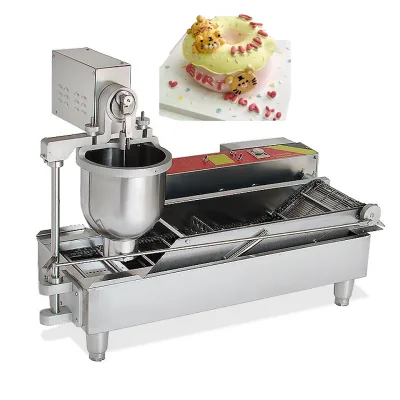




Comprehensive Sourcing Guide
Strategic Sourcing Guide for Donut Glazing Machines
Understanding Core Technical Specifications and Variability
When sourcing a donut glazing machine, buyers must first navigate the significant variance in technical specifications found across the market. The equipment landscape is not monolithic; it ranges from simple manual units to fully automated systems. Based on observed product data, a critical distinction exists between machines with zero power consumption and those requiring substantial electrical input. For instance, specific models are listed with a power rating of 0W, indicating a purely mechanical or manual operation designed for low-cost, low-volume environments. In contrast, other units in the same category are specified with a power rating of 3000W, suggesting the inclusion of motors for automatic glazing, coating, or dough handling functions.
Buyers should not assume that all "automatic" donut machines share the same electrical requirements. The observed power range highlights the need to verify the specific energy needs of the intended production line. Furthermore, material composition varies significantly. Some units are constructed from SUS201 stainless steel, while others utilize general stainless steel. This distinction impacts durability, corrosion resistance, and compliance with food safety standards in different regions. The physical dimensions also differ; observed specifications include a footprint of 9864118cm for one model and 1054047cm for another. These dimensional variances directly influence factory floor planning and installation logistics.
Production capacity is another critical technical parameter. While some units are described with a production rate of 10 pieces per minute, others claim a capacity of 450 pieces per hour. Converting these metrics reveals that 10 pieces per minute equates to 600 pieces per hour, suggesting that the "450PCS/H" unit may be a different class of machine or operates under different efficiency parameters. Buyers must carefully align these capacity figures with their actual throughput requirements to avoid under- or over-investing in machinery. The weight of the equipment also fluctuates, with observed values ranging from 38 KG to 40 KG for the machine itself, while the single gross weight for packaging can be 18.000 kg, indicating substantial differences in packaging density and shipping requirements.
Compliance, Certification, and Safety Verification
In the realm of food processing equipment, compliance and certification are paramount, yet the available data presents a mixed picture regarding formal verification. While some market listings mention CE certification as a background possibility, the specific product attributes provided do not explicitly confirm that every listed unit possesses valid, current CE certification or other international safety standards. The absence of a definitive certification status in the core product attributes means that buyers cannot assume compliance based solely on the product listing.
The machinery test report is listed as "Provided" for certain models, which is a positive indicator of quality assurance. However, the video outgoing-inspection is noted as "Not Available" for some units. This absence of visual verification during the pre-shipment phase places a higher burden on the buyer to request alternative forms of quality evidence. Buyers should explicitly request the full machinery test report and verify its authenticity with the supplier. Without a video inspection or a clear certification statement, the risk of receiving non-compliant equipment increases.
Furthermore, the application fields listed for these machines are extensive, covering vegetable processing plants, wineries, canneries, flour mills, and bakeries. This broad applicability suggests that the machines are designed to meet general food safety standards, but the specific regulatory requirements of the buyer's target market (e.g., FDA in the US, EU regulations in Europe) must be verified independently. The core components, such as gears and spares, are listed, but the material quality of these internal parts is not detailed beyond the general "stainless steel" or "SUS201" classification. Buyers must ensure that all contact parts, including gears and spares, meet the specific food-grade material standards required in their jurisdiction.
Cost Drivers and Pricing Structure Analysis
The pricing structure for donut glazing machines is highly variable, with observed listed prices ranging from $79.14 to $8,500. This wide disparity indicates that the market offers products at vastly different value propositions, likely driven by the level of automation, material quality, and brand reputation. The lower end of the price spectrum likely corresponds to the manual or semi-automatic units with 0W power consumption and simpler mechanical structures. Conversely, the higher price points are associated with fully automatic systems featuring 3000W motors, advanced glazing mechanisms, and higher production capacities.
Buyers must understand that the initial purchase price is only one component of the total cost of ownership. The observed Minimum Order Quantity (MOQ) ranges from 1 to 2 units, which is favorable for small businesses or pilot projects. However, the "Selling Units" are listed as "Single item," suggesting that the pricing is per unit rather than per batch. The "Marketing Type" is described as "Ordinary Product," which may imply that these are standard, off-the-shelf items rather than custom-engineered solutions, potentially keeping costs lower but limiting customization.
Additional cost drivers include the packaging details and shipping logistics. The single package size varies, with some units packaged in cartons of 191842cm and others in larger dimensions like 65X50X80 cm. These variations affect shipping costs, which can be significant for heavy machinery. The place of origin is listed as Hubei or Jiangxi, China, which influences freight rates and import duties. Buyers should also consider the warranty terms, which are observed to be 1 Year for some models. A longer warranty period might justify a higher initial price, but the specific terms of coverage must be clarified.
Typical Applications and Operational Versatility
The versatility of donut glazing machines is a key selling point, with applications spanning from commercial catering to large-scale industrial food factories. The observed application fields include hotels, restaurants, bakeries, snack food factories, and even dairy and meat processing plants. This broad range suggests that the machines are adaptable to various production environments. The specific function of the machine is often described as "doughnut cream icer decorated donut coating icing machine" or "automatic chocolate glazing chocolate coating icer doughnut machine," indicating a primary focus on the finishing stages of donut production.
The raw materials required for operation are diverse, including wheat flour, milk, corn, fruit, nuts, soybean, vegetables, and water. This flexibility allows the machine to be used for a wide variety of donut types, from traditional sugar-glazed varieties to more complex chocolate-coated or fruit-filled options. The final product is consistently described as "donut," but the machine's ability to handle different raw materials suggests it can support a diverse product line.
Operation modes also vary, with some units requiring "Simple Manual Operation" while others are designed for "Automatic" operation. The manual units, often associated with lower power consumption, are ideal for small bakeries or home use where high throughput is not critical. The automatic units, with higher power ratings and production capacities, are better suited for commercial catering and large-scale food factories. The "Key Selling Points" often include "Eco-Friendly" and "High Productivity," which are important considerations for modern businesses aiming to reduce energy consumption and increase output.
Supplier Evaluation and Due Diligence
Evaluating suppliers for donut glazing machines requires a rigorous approach, particularly given the variability in product attributes and the lack of standardized certification data. Buyers should prioritize suppliers who can provide comprehensive machinery test reports and clear documentation of core components. The presence of a "1 Year" warranty is a baseline expectation, but the specific terms of this warranty, including what is covered and the process for claims, must be clearly defined.
The brand names observed, such as "GT" and "HJ," indicate that multiple manufacturers are active in this space. However, the lack of detailed brand history or reputation data in the provided context means that buyers cannot rely on brand recognition alone. Instead, they should focus on the supplier's ability to demonstrate product quality through test reports and their responsiveness to inquiries regarding technical specifications.
The "Video outgoing-inspection" being "Not Available" for some units is a red flag that requires immediate attention. Buyers should insist on alternative verification methods, such as third-party inspection services or detailed video calls during the production process. The supply ability is listed as "300 sets per Month," which suggests that suppliers have the capacity to handle bulk orders, but buyers should verify this claim to ensure it aligns with their delivery timelines.
Quality Control and Performance Verification
Quality control in the procurement of donut glazing machines should focus on verifying the consistency of the final product and the durability of the machine itself. The observed "Advantage" of "Easy Operation Low Cost" and "High Efficiency Easy Operation" suggests that these machines are designed for user-friendliness, but the actual performance must be validated. Buyers should request sample runs or video demonstrations of the machine in operation to verify the quality of the glazing and coating.
The "Single gross weight" of 18.000 kg and the "Single package size" are critical for quality control during shipping. Ensuring that the packaging is robust enough to protect the machine during transit is essential to prevent damage. The "Condition" of the product is listed as "New," but buyers should verify this through inspection reports or by requesting photos of the actual unit before shipment.
Performance metrics such as the "Production Capacity" of 450PCS/H or 10 pcs/min should be tested under real-world conditions. Buyers should not rely solely on the manufacturer's claims but should conduct their own trials to ensure the machine meets their specific throughput requirements. The "Key Selling Points" of "Eco-Friendly" and "High Productivity" should be backed by data, such as energy consumption reports or efficiency studies, to validate these claims.
Long-Term Procurement and Maintenance Considerations
Long-term procurement considerations for donut glazing machines extend beyond the initial purchase and installation. The "Core Components" such as gears and spares are critical for maintenance and longevity. Buyers should ensure that spare parts are readily available and that the supplier has a reliable supply chain for replacements. The "Warranty" of 1 Year is a standard offering, but buyers should consider the long-term maintenance costs and the availability of technical support.
The "Place of Origin" in Hubei or Jiangxi, China, may influence the availability of local service partners. Buyers should investigate whether the supplier has authorized service centers in their region to handle repairs and maintenance. The "Application Fields" suggest that the machine is suitable for various industries, but buyers should ensure that the machine can be adapted to their specific production needs over time.
Finally, the "Marketing Type" as "Ordinary Product" implies that these machines are standard items, which may limit customization options. Buyers should consider whether their long-term growth plans require a more flexible or customizable solution. The "Raw material" versatility is a positive aspect, but buyers should verify that the machine can handle new or changing raw material requirements without significant modifications. By focusing on these long-term factors, buyers can ensure a sustainable and efficient procurement strategy for their donut glazing needs.
FAQs
What is the production capacity of the donut glazing machine?
The machine offers a production capacity of 450 pieces per hour or 10 pieces per minute depending on the model. Some units operate manually with zero power consumption, while others use 3000W motors for higher efficiency. Buyers should verify the specific capacity against their required throughput needs before purchasing.
Which materials are used to construct the donut glazing machine?
The machines are constructed from stainless steel or SUS201 material to ensure durability and food safety. The specific grade varies by model, with some units featuring gears and spares as core components. Buyers must confirm the exact material grade to meet local food safety standards.
How much does the donut glazing machine weigh?
The machine weight ranges from 38 to 40 kilograms, while the single gross weight for packaging is 18 kilograms. Dimensions vary significantly between models, with some measuring 98 by 64 by 118 centimeters and others 105 by 40 by 47 centimeters. Shipping costs will depend on these specific package dimensions.
Can the machine operate without electricity?
Yes, certain models operate with zero power consumption using simple manual operation for low-cost environments. These units are designed for easy operation and are suitable for small bakeries or home use. However, fully automatic models require 3000W of power for chocolate glazing and coating functions.
What is the warranty period for the donut glazing machine?
The standard warranty period provided for these machines is one year. This coverage applies to the core components and general functionality of the equipment. Buyers should request detailed warranty terms to understand what specific parts or services are included in the coverage.
Which suppliers offer machinery test reports for this equipment?
Some models explicitly provide a machinery test report as a standard feature to verify quality assurance. However, video outgoing inspections are not available for all units, so buyers must request the full test report document. This verification is crucial for ensuring the machine meets operational standards before shipment.
What is the minimum order quantity for purchasing the machine?
The minimum order quantity ranges from one to two units, making it accessible for small businesses or pilot projects. The selling units are listed as single items, allowing buyers to purchase individual machines without bulk commitments. This low MOQ supports flexible sourcing strategies for various business sizes.